
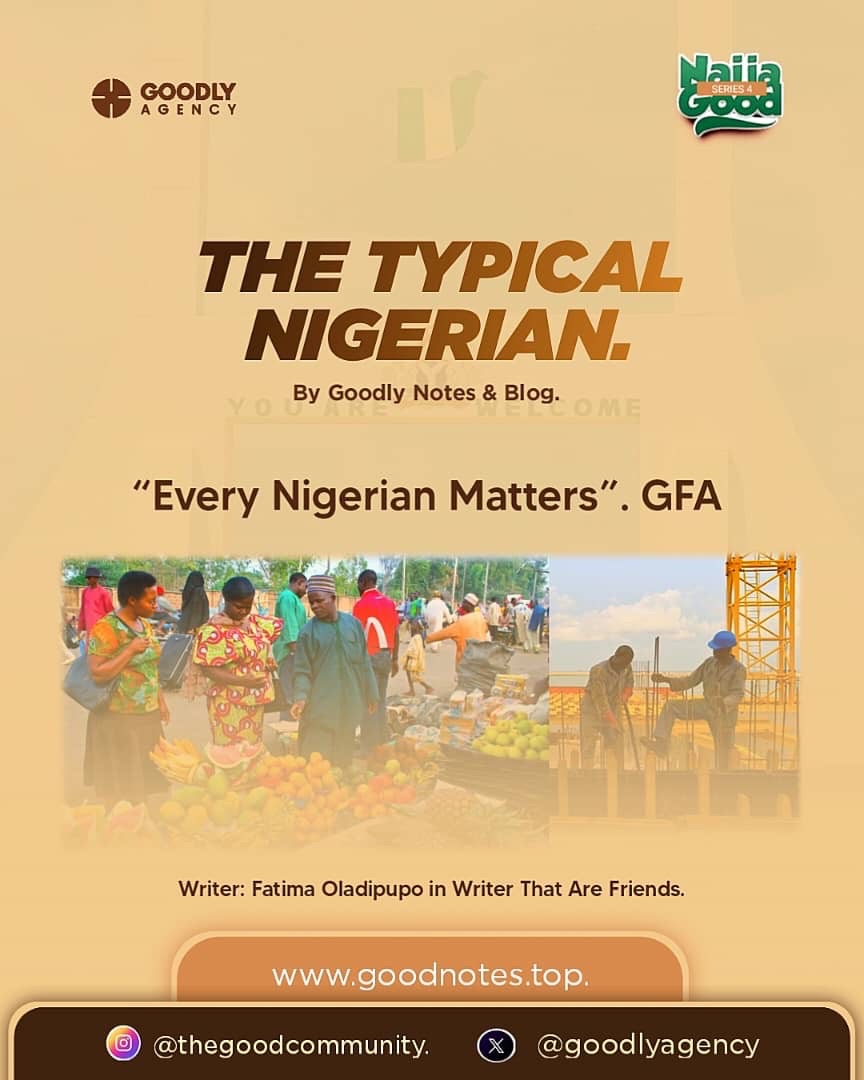
“Every Nigerian matters…”
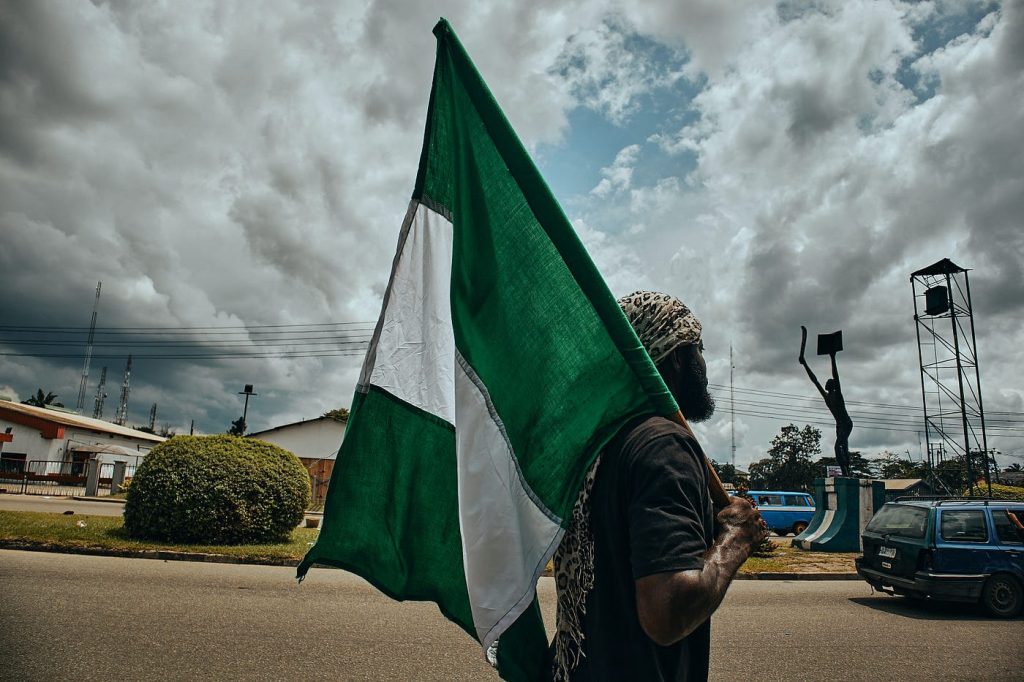
There is a Nigerian who wakes up every morning, buys bread from the woman down the street, greets the neighbours, complains about electricity and worries about the price of food.
He may look unkept and you may see him doing all kinds of honorable menial job on the street just to survive, but he has a mother who remembers the day he was born; His friends know his name, His community knows his face. Perhaps even his village knows exactly whose son he is.
Not till he is dead, while he is still alive, and that distinction matters. This may even be a child who arrived without a paper trail.
Imagine a baby born in a rural community; there is OF COURSE celebration, neighbors visit. The mother rests. Someone takes photographs on a phone. The grandmother announces the child’s name.
Life continues.
The child eats, grows, plays and eventually goes to school.
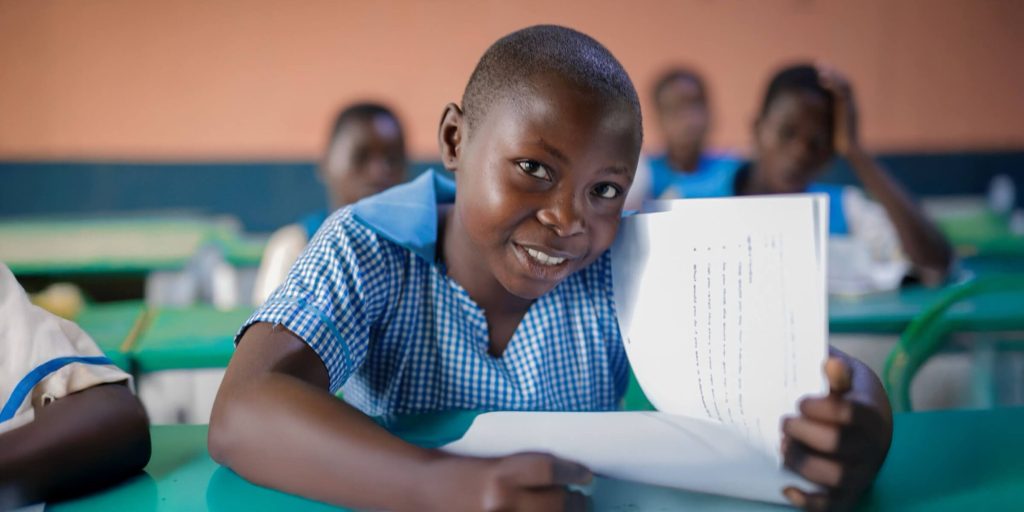
School. Perhaps Scholarships. Perhaps Japa. Wealth. Marriage. Children. Legacy. We must learn to exist and be counted. Reality might be a bit more complicated.
Don’t be that young woman who spends years contributing to her community without appearing in the datasets used to design public programmes.
A trader can run a business every day without having the formal documentation that makes his/her business visible to government. At least we have the Nigerian way of acquiring a skill.
A person can live in a community for decades and still struggle to prove basic facts about themselves when an official institution asks for documentation.
The contradiction is almost poetic:
You can be known by everybody and still be unknown to the system.
This is where the phrase “the Nigerian who doesn’t exist” begins to make sense. There is something fascinating about national identity in Nigeria.
Every Nigerian matters, because we dare to ask;
How many people live in a particular community?
How many children were born there?
How many people have disabilities?
How many people are unemployed?
How many people need healthcare?
How many people need social protection?
How many people have moved from one state to another?
How many people have died?
How many people are missing from the formal economy?
This is also why identity management matters. Every Nigerian matter even more when they put themselves in the system to be counted. What do I mean? Get your National Identification Number (NIN) done! Your NIN is not simply another number you collect and forget in a drawer. It is intended to become one of the threads connecting different parts of your official identity. Like; Banking, Passports, Driver’s licences, Voter-related processes, Taxation, Health and social services.
There is another Nigerian who deserves attention.
She is the woman who wakes before sunrise.
She cooks.
She sells food.
She farms.
She raises children.
She contributes to the household.
She may even employ one or two people.
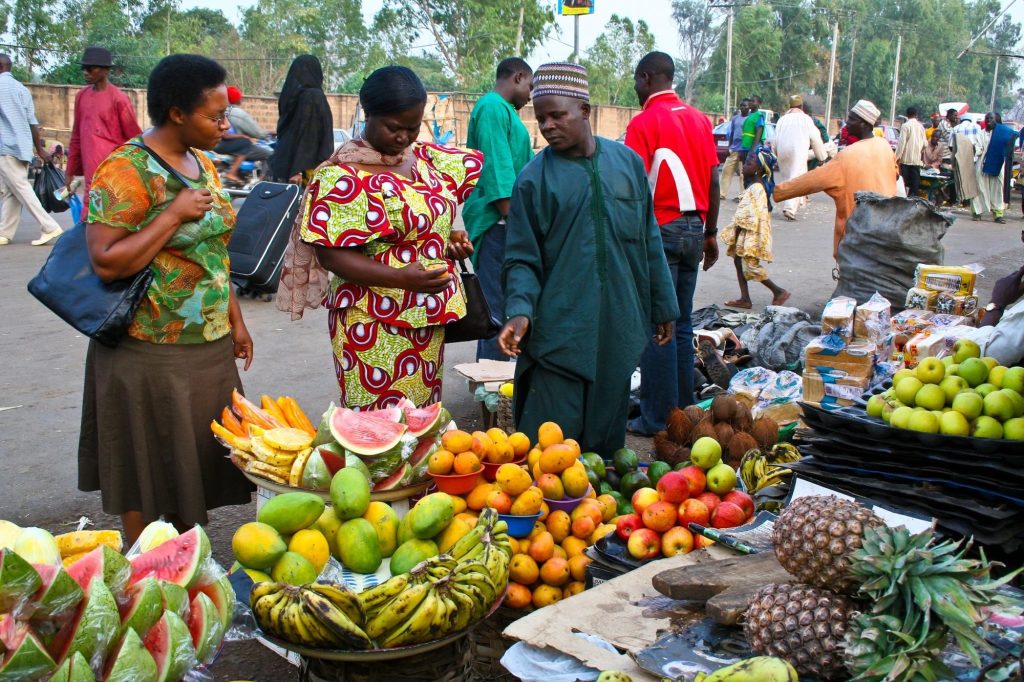
Yet her work may never appear in the way formal employment does.
Nigeria has millions of people whose economic lives exist largely outside formal structures.
They are not necessarily idle.
They are working.
They are simply working in places where records are often weaker.
Picture the woman selling akara by the roadside at 6 a.m.? Or the Gabbage carrier from one street to the next. Think about the woman roasting corn in the afternoon, of the okada rider every morning & night, of the children on the street begging for bread. Every typical Nigerian; no matter their ethnicity, tribe, background, class or religion. Every Nigerian matters.
How is Nigeria ensuring that every Nigerian matters?
Though the National Identity Management Act.
This is just one of the many ways to prove that your existence matters to the nation you may have already given up on.
NIMC has expanded national identity enrolment and digital verification infrastructure. Its June 2025 enrolment dashboard reported more than 121 million unique records. By October 2025, the State House reported that NIMC had enrolled 126,717,316 individuals.
In 2026, the National Identity Management Commission Act was also signed into law, replacing the 2007 law and providing a newer legal framework for national identity management, digital identity, data protection and interoperability.
At the same time, the National Population Commission and its partners have continued efforts to improve birth registration and digital civil registration.
These developments matter because they point towards a larger idea -Nigeria is gradually moving from asking, “How many people do we think are here?” To asking, “Can we identify every person, understand their needs and connect them to the services they are entitled to?”
There is also a side of this conversation that should not be ignored. If you doubt this system then you should hear this -Being visible to the state means data about you exists. Because your name, face, fingerprints, your date of birth, your address, and phone number will be collected to potentially, connect you between different government and private-sector systems.
NIMC advises people to protect their NIN information and not expose it casually online.
So the goal cannot simply be to make everyone visible. It must be to make people visible safely, accurately and fairly.
Every Nigerian Matters
Who are the Nigerian that matters the most?
He is the child whose birth was never registered.
She is the woman whose daily economic contribution never enters the statistics.
He is the farmer whose existence is known in his village but barely represented in formal records.
She is the internally displaced person rebuilding a life after losing the documents that once proved it.
He is the citizen whose records carry different names and dates.
She is the person who has never been properly captured by the systems designed to identify Nigerians.
And sometimes, surprisingly, the Nigerian who doesn’t exist is not someone we would immediately identify as vulnerable.
He may be educated.
He may live in a city.
He may own a smartphone.
He may even have several identity documents.
Nigeria is a country full of people who are remarkably visible to one another. We know our neighbours.
Our market women know our faces. Our religious communities know our families. Our villages remember generations. Our parents remember exactly when and where we were born.
The Nigerian who doesn’t exist is therefore not a ghost.
He is not an abstract statistic.
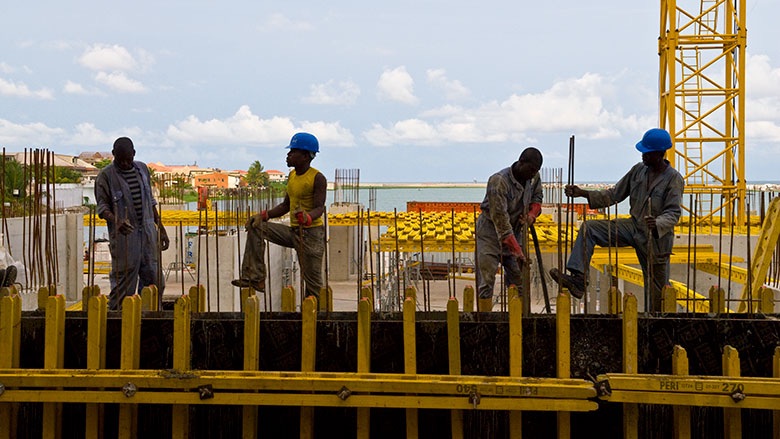
He is someone standing somewhere in this country right now.
He may be reading this article. He may be sitting beside you.
He may be your neighbour. He may be your child.
And perhaps that is the uncomfortable truth we should leave with:
A country does not truly know its people simply because millions of people live within its borders.
It knows them when it can count them.
Recognize them.
Protect them.
Plan for them.
And, when they knock on the door of the state, answer:
“Yes. We know who you are. You exist.”
Until then, somewhere between a birth that was never registered and an identity that was never properly connected, there remains a Nigerian who is very much alive.
And perhaps the real measure of a country is not how loudly it celebrates the people it can see, but how deliberately it goes looking for the people it has failed to see.
**Because every Nigerian who is found is more than a number added to a database. It is a life finally acknowledged.**
Even the resilience in the typical Nigerian itself is proof that every Nigerian matters.
Written by: Oladipupo Fatima Olayinka & Goodness Felix-Adebayo
Editor: Goodness Felix-Adebayo